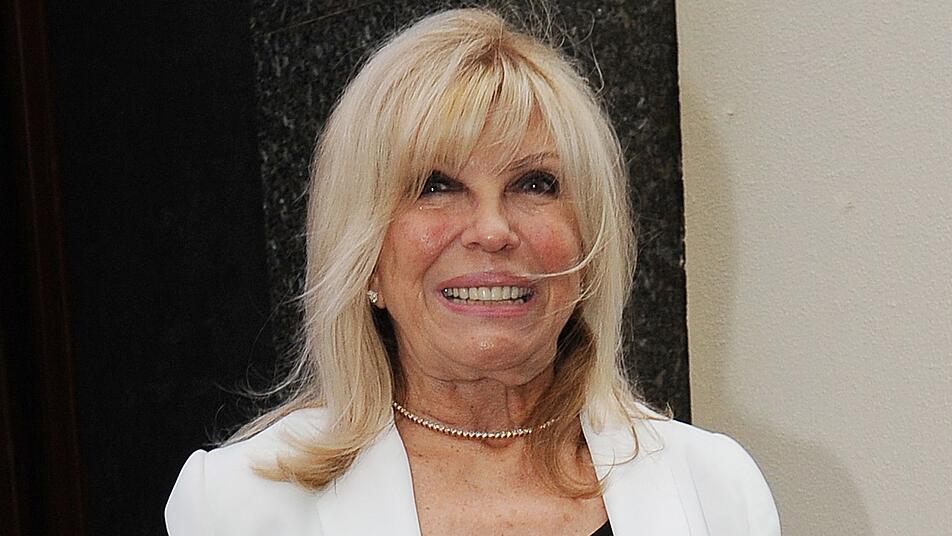
Few names in American music resonate as deeply as Sinatra, but for Nancy Sinatra, the daughter of legendary crooner Frank Sinatra, fame was never an inheritance—it was something she had to earn. Now 85, Nancy stands as proof that artistry, independence, and resilience can outlast the shifting tides of pop culture. Her life has been a symphony of reinvention: from a struggling young singer living in her father's shadow to a cultural icon who redefined what it meant to be a woman in the spotlight. Today, she thrives not in the glare of superstardom, but in the steady glow of legacy, self-assurance, and connection with generations of fans who still hum along to her unforgettable hits.
Born on June 8, 1940, in Jersey City, New Jersey, Nancy grew up surrounded by the glittering world of show business. Her father was already one of America's most famous voices, and her mother, Nancy Barbato, managed the household that fame built. Yet for young Nancy, the Sinatra name was both a blessing and a burden. While others saw her as destined for success, she quickly discovered that fame cannot be inherited. Her early attempts at launching a singing career met with disappointing results: record executives dismissed her, critics were lukewarm, and audiences seemed unsure of what to make of her. For a while, she considered giving up entirely. But Nancy had inherited more than her father's name—she had his grit.
Everything changed when Nancy decided to take control of her own image. She enrolled in intensive vocal training to strengthen her voice and expand her range. Then came the visual transformation—gone was the reserved girl-next-door look, replaced by the sleek, modern image of the swinging 1960s: go-go boots, miniskirts, and an attitude that mixed glamour with defiance. Enter Lee Hazlewood, the maverick songwriter and producer who would help Nancy find her unique sound. Hazlewood wrote songs that were equal parts sultry, playful, and assertive—a perfect match for Nancy's evolving persona. Their creative chemistry was electric, and in 1966, they released a song that would not only define Nancy's career but also become an anthem of female empowerment: "These Boots Are Made for Walkin'."
The song was a sensation. With its driving bass line and unapologetically confident lyrics, it captured the mood of a new generation of women tired of being told to wait their turn. Nancy's bold performance—stylish, tough, and self-assured—turned her into an instant cultural icon. "The boots represented confidence," Nancy later explained. "It wasn't about revenge or rebellion—it was about standing tall." The single topped charts worldwide, sold over a million copies, and earned Nancy her place in pop music history.
Following her breakout success, Nancy proved she was no one-hit wonder. She recorded a string of chart-topping singles, including "How Does That Grab You, Darlin'?", "Sugar Town," and her haunting duet with her father, "Somethin' Stupid." That father-daughter collaboration was particularly special—not only because it reached No. 1 on the Billboard Hot 100, but because it symbolized a generational bridge between traditional pop and the bold new sound of the '60s. Nancy also explored film, starring alongside major stars like Elvis Presley in *Speedway* (1968) and Peter Fonda in *The Wild Angels* (1966). Though best known for her music, her acting roles revealed a natural charisma that made her a staple of mid-century American entertainment. But even as fame embraced her, Nancy never let it define her.
By the mid-1970s, Nancy began to retreat from public life, wanting to focus on her family—raising her two daughters and finding balance after a decade of relentless work. For many stars, such a step would have marked the end of their careers, but Nancy was never content with being a relic of the past. When she eventually returned to the stage, she did so on her own terms. The 1990s marked an unexpected yet triumphant comeback. Rather than chasing nostalgia, Nancy leaned into reinvention, collaborating with contemporary artists like Bono, Morrissey, and members of U2, proving that age could enhance, not diminish, artistic relevance. In 2004, she released the album *Nancy Sinatra*, a modern rock project that paired her distinctive voice with bold, contemporary production. Critics praised it as both a tribute to her legacy and a testament to her creative evolution. At an age when many entertainers fade from view, Nancy stood out—a reminder that reinvention has no expiration date.
Beyond her own artistry, Nancy has also become a custodian of the Sinatra family legacy. Through books, interviews, and her long-running radio show, *Nancy for Frank*, she has worked tirelessly to preserve and promote her father's contributions to American music. "My father taught me about integrity—in music, in relationships, in life," she once said. "He told me, 'You don't sing a song you don't believe in.' That advice has guided me ever since." She has also published books, curated archives, and championed the preservation of Frank Sinatra's recordings, ensuring that his influence endures for new generations.
Now in her mid-eighties, Nancy continues to exude vitality. While she no longer tours extensively, she maintains a close bond with her fans through social media and her official online boutique, where she sells memorabilia, exclusive vinyl releases, and curated collections that celebrate her life and music. She interacts directly with her audience—sharing memories, stories, and reflections on everything from the music industry to aging gracefully. Her humor remains sharp, her politics outspoken, and her style unmistakably Nancy. In interviews, she has described her later years as "peaceful, creative, and still curious." She is also an advocate for animal rights, social causes, and preserving the history of women in music.
Nancy Sinatra's story is, at its core, one of resilience—the refusal to be defined by her lineage, her gender, or her age. While her father's shadow was immense, she carved a distinct path that celebrated female strength long before it became a cultural buzzword. Her songs still echo with that spirit—a mix of vulnerability and defiance that feels timeless. In an era when women were expected to be demure, Nancy stood tall in her boots and declared her autonomy. Her legacy continues to influence artists from Lana Del Rey to Kacey Musgraves, who have cited Nancy's combination of sweetness and steel as an inspiration.
At 85, Nancy Sinatra remains a symbol of endurance—proof that creativity doesn't dim with age. She's not trying to compete with the past; she's curating it, celebrating it, and expanding it in new directions. Her life reminds us that reinvention is not a single act but a lifelong process. From the confident swing of "These Boots Are Made for Walkin'" to the graceful introspection of her later years, Nancy's journey mirrors the very evolution of American pop culture. As she once said, "I don't think of myself as a legend. I think of myself as lucky—lucky that the music still means something to people. Lucky that I still have something to say." And that, perhaps, is the secret of her shine—not luck, but love. Love for music, for her fans, and for the bold, unbreakable spirit that keeps her walking tall, just like those famous boots promised all those years ago.